Route at a glance
- Duration: 5–9 days
- Difficulty: Varies by route
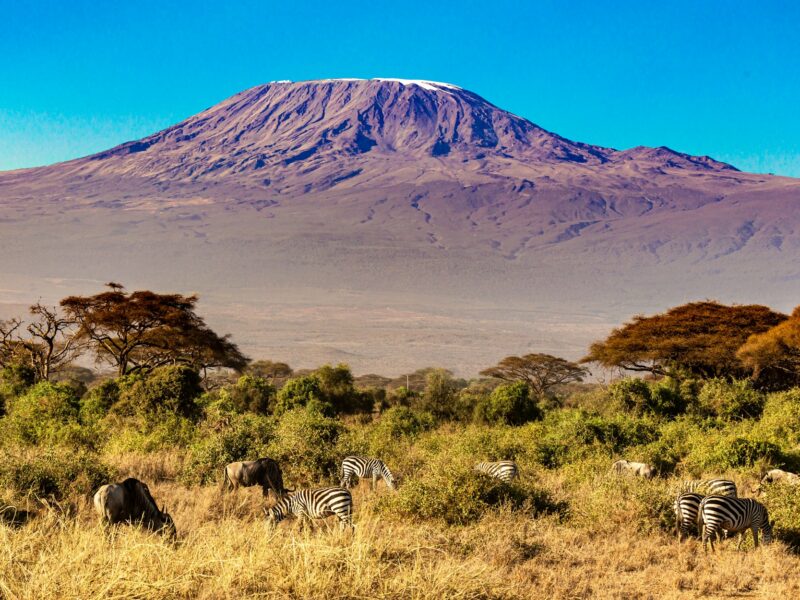
- Summit: Uhuru Peak, 5,895 m
Highlights
- Park and camping fees
- Fair crew wages
- Equipment and safety
- Route length
Booking and availability
We run private climbs on any date and group departures throughout the climbing seasons. Every climb includes certified guides, a fair-paid porter team, quality tents, nutritious meals and park fees. Emergency oxygen and a pulse oximeter are carried for daily health checks.
Compare all routes on our Kilimanjaro climbing page or book a private climb.
Breakdown of costs
| Item | Notes |
|---|---|
| Park entry and conservation fees | Charged per person per day; the largest single cost |
| Camping or hut fees | Per night on the mountain |
| Rescue fee | Per person per climb |
| Crew wages | Guides, assistant guides, cook and porters |
| Food and equipment | Tents, mess tent, meals, oxygen |
| Transport and hotels | Transfers and nights in Moshi |
Why cheap climbs are a risk
Very low prices usually mean fewer days, poorly paid crews or poor equipment. Longer routes cost more but improve your chances of reaching the summit safely.
Tips
Budget separately for tips, gear rental and travel insurance.
What shapes the price of your climb
Every Kilimanjaro climb is built from the same core parts, so price differences between operators come down to a few clear factors.
- Number of days: park fees are charged per person per day, so a longer route costs more, but it also improves acclimatisation
- Route: some routes need longer transfers to remote gates, such as Londorossi for Lemosho
- Group size: private climbs cost more per person than joining a group departure
- Accommodation on the mountain: Marangu uses huts, other routes use tents
- Crew: the number of guides and porters depends on group size and route
- Extras: private toilet tents, extra oxygen, and hotel nights before and after
Because park fees and other charges can change, we always give you a current written quote with each item listed.
Where the money goes
| Cost area | What it covers |
|---|---|
| Park and conservation fees | Charged by Kilimanjaro National Park per person per day |
| Camping or hut fees | Your overnight stays on the mountain |
| Rescue fee | Charged per climber for each climb |
| Crew wages and food | Guides, assistant guides, cook and porters for the whole climb |
| Equipment | Tents, mess tent, tables, chairs, oxygen and first aid |
| Logistics | Transport to and from the gate, hotels in Moshi or Arusha |
Fair treatment of porters
Porters carry tents, food and equipment for every group, and their welfare is one of the clearest signs of a responsible operator. Park rules limit porter loads to around 20 kg, and organisations such as the Kilimanjaro Porters Assistance Project campaign for fair wages, proper food and suitable clothing. When you compare quotes, ask how porters are paid, fed and equipped.
Costs to plan for separately
- International flights to Kilimanjaro International Airport (JRO)
- Tanzania visa or e-visa
- Travel insurance that covers trekking at high altitude and evacuation
- Tips for your guides, cook and porters, usually given at the end of the climb
- Rental gear if you do not have your own
- Extra hotel nights or a safari afterwards
Our Tanzania safari tipping guide explains how tipping works, and our complete Kilimanjaro packing list shows what you need to bring or hire.
Getting the best value
The cheapest climb is rarely the best value. A slightly longer route with a well-paid, experienced crew gives you a much better chance of reaching the summit and enjoying the trek. Compare the Machame Route and the Lemosho Route to see how an extra day changes the experience, and consider combining your climb with a few days on safari through our Kilimanjaro and safari packages.
What a Private Climb Costs and Why
We run private climbs on any date, and the main cost drivers are the same whether you climb alone or with friends. Park entry and conservation fees are charged per person per day, so route length matters most. Camping or hut fees, crew wages and equipment make up much of the rest.
How a private climb changes the budget
- The crew is dedicated to your party, so the per-person share usually falls as your private group grows
- A longer route raises park fees but gives better acclimatisation
- Fair wages and proper equipment for porters are part of every climb, not optional extras
If you are adding a Tanzania private safari afterwards, the same per-person, per-day logic applies to park fees, with vehicle and accommodation choices shaping the rest. Our Tanzania safari packages show typical climb and safari combinations.
For a clear quote, plan your private safari and climb with our team.
Related reading from our Safari Journal
- Kilimanjaro Training Plan: How to Prepare in 12 Weeks
- Altitude Sickness on Kilimanjaro: How to Prevent It
- The Complete Kilimanjaro Packing List
Further reading
Learn more from independent, authoritative sources: