This Kilimanjaro climbing guide is the starting point for everything you need to know before you trek to Uhuru Peak. We plan and run climbs from Moshi and Arusha, and over the years we have answered the same questions again and again: when to go, which route to pick, how to avoid altitude sickness, what to pack, and how the crew works. Each answer now has its own detailed article, and this page organises them so you can read in a logical order.
Kilimanjaro is a non-technical mountain. You need no ropes, crampons or climbing experience on the standard routes, yet it rises to about 5,895 m, so preparation matters more than people expect. Use the sections below as a checklist: plan first, then look after your health, sort your equipment, learn how life on the mountain works, and finally arrange your travel. When you are ready to choose a trip, our Kilimanjaro climbing itineraries page compares every departure we offer.
How to Use This Kilimanjaro Climbing Guide
Most first-time climbers start with seasons and routes, because those two choices shape everything else. Next come fitness and acclimatisation, the factors that most influence how you feel near the top. Kit and crew questions follow naturally once dates are fixed. If you are short on time, begin with the route comparison, altitude sickness, gear list and summit night articles, then come back to the rest as your trip approaches.
Planning Your Climb
Timing is the first decision. Our guide to the best time to climb Kilimanjaro explains the two dry windows and the trade-off between clear skies and crowds, while Kilimanjaro weather by month walks through what each month typically brings, from the long rains to the clearer, colder spells.
Route choice comes next. The Kilimanjaro route comparison lines up every trail side by side, covering days, difficulty, scenery and crowds. If you would rather have a straight recommendation, read which Kilimanjaro route is best, where we match routes to different types of climber.
To set realistic expectations, start with how hard is it to climb Kilimanjaro. Newcomers will find reassurance in Kilimanjaro for beginners, older trekkers can read climbing Kilimanjaro over 50, and independent travellers should see climbing Kilimanjaro solo, which explains why a licensed guide is always required. Weighing up the Himalaya too? Our Kilimanjaro vs Everest Base Camp comparison sets the two classic treks side by side.
The paperwork matters as well. Kilimanjaro park rules and permits covers registered operators, licensed guides, the plastic bag ban and how park fees work, and Kilimanjaro travel insurance explains why your policy needs to cover trekking to about 6,000 m and helicopter evacuation.
Health and Safety
Altitude is the real challenge on Kilimanjaro. Our Kilimanjaro altitude sickness article explains AMS, HAPE and HACE in plain language, and how to acclimatise on Kilimanjaro covers the habits that help most: walking slowly, drinking well and choosing a longer itinerary.
Fitness gives you a margin for the long days. How to train for Kilimanjaro sets out a progressive, hill-focused plan you can start about three months before departure. Before you travel, read Kilimanjaro vaccinations and health and book an appointment at a travel clinic.
On the mountain, Kilimanjaro safety and rescue describes daily health checks, what our guides carry and how evacuations work. Finally, Kilimanjaro summit success tips gathers the practical habits that make the biggest difference on the way up.
Gear and Equipment
Good layering keeps you comfortable from humid rainforest to sub-zero summit night. The Kilimanjaro gear list is our item-by-item checklist, including sleeping bag ratings and why boots must be worn in. If you would rather not buy everything, Kilimanjaro gear rental in Moshi explains what you can hire locally and what is best brought from home. For keen photographers, Kilimanjaro photography tips covers keeping batteries warm and the rules on drones.
Life on the Mountain
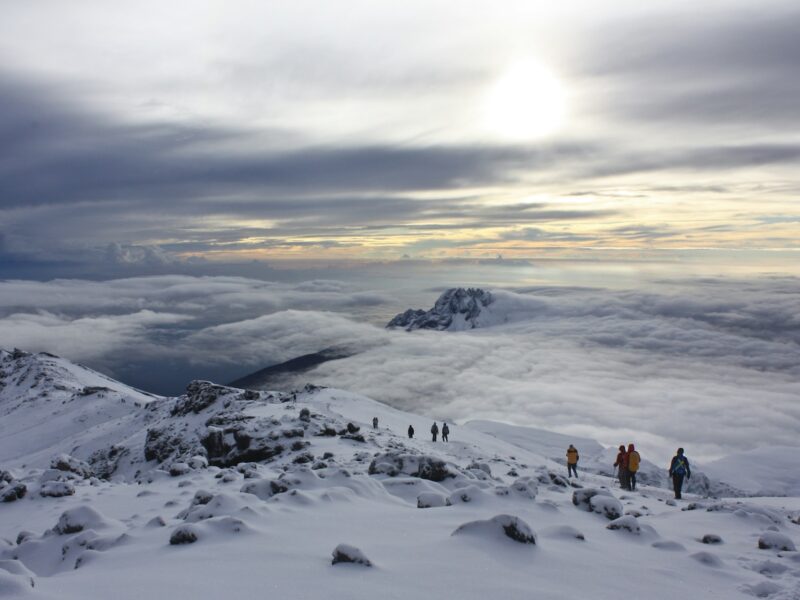
Knowing the daily rhythm helps you relax. Our Kilimanjaro camps and altitudes reference lists every camp by route, and the Kilimanjaro summit night guide explains the midnight start, the push to Stella Point or Gilman’s Point and the final walk to the top.
Your crew makes the climb possible. Meet them in Kilimanjaro porters and crew, and read the Kilimanjaro tipping guide to understand how gratuities work in line with KPAP recommendations. For day-to-day comfort, food and water on Kilimanjaro covers meals, dietary needs and treated water, while Kilimanjaro toilets and hygiene answers the question everyone wonders about. When you return, the Kilimanjaro summit certificate article explains the certificates issued by the park.
The Mountain Itself
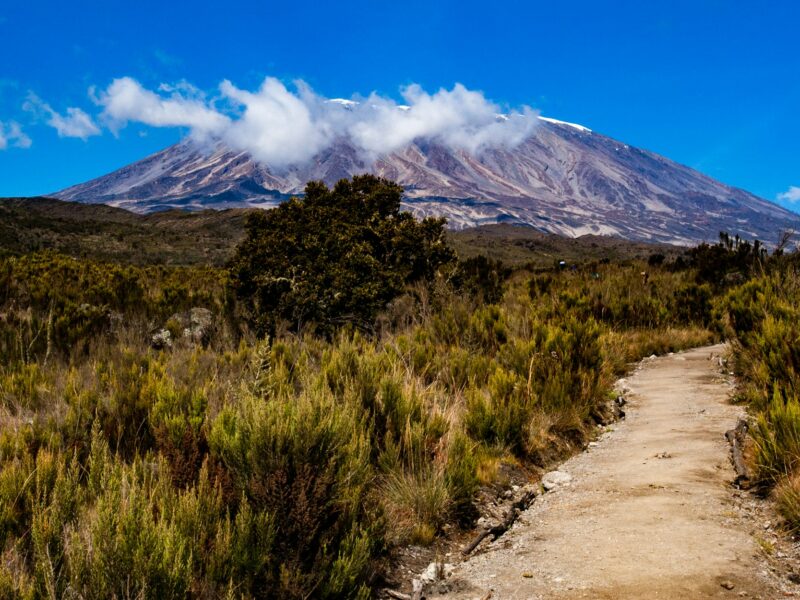
Understanding the mountain makes the climb richer. Mount Kilimanjaro facts covers its three volcanic cones, Kibo, Mawenzi and Shira, and its listing as a UNESCO World Heritage Site in 1987. Our Uhuru Peak page focuses on the summit, the highest point in Africa. The climate and vegetation zones guide follows the trail from farmland to arctic summit, and Kilimanjaro glaciers looks at the retreating ice fields near the crater.
Travel and Logistics
Getting there is easier than many expect. How to get to Kilimanjaro explains flights into Kilimanjaro International Airport (JRO), transfers and visa resources, and the Moshi town guide for climbers covers the busy base town where most climbs begin, with hints on where to stay, eat and buy last-minute supplies.
Where to Go Next
Once you have read the essentials, choose a trip. Popular starting points include the 7 Days Machame Route and the 8 Days Lemosho Route, both with good acclimatisation profiles. Background on the mountain is also available on Wikipedia’s Mount Kilimanjaro article.
When you are ready, tell us about your plans and we will help you build the right climb, whether that is a short Marangu hut trek or a long Northern Circuit expedition.