Safari overview
This classic three-day safari covers three very different parks without long drives: Tarangire for elephants and baobabs, Lake Manyara for its groundwater forest and soda lake, and the Ngorongoro Crater for the densest wildlife viewing in Tanzania.
It fits neatly before a Kilimanjaro climb or a Zanzibar beach holiday, and it is easy to fit around your dates because lodges along this route have plenty of capacity.
Trip highlights
- Three parks in three days with short transfers
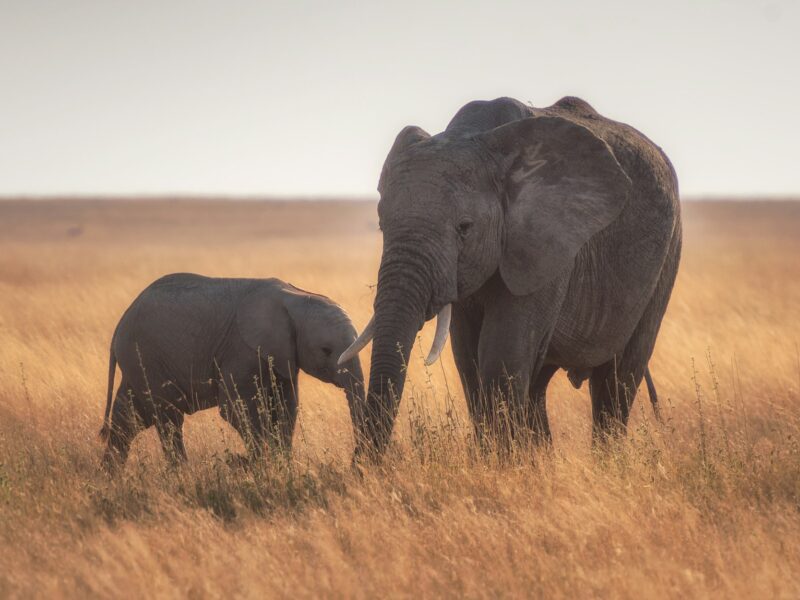
- Elephants and baobabs in Tarangire
- Lake Manyara's forest, baboons and flamingos
- Full game drive in the Ngorongoro Crater
- Stay in the green Karatu highlands
- Optional village walk in Mto wa Mbu
At a glance
| Duration | 3 Days |
|---|---|
| Starts | Arusha |
| Ends | Arusha |
| Route | Arusha – Tarangire – Lake Manyara – Ngorongoro – Arusha |
| Best time | All year. June to October is the dry season; November to May is greener and quieter. |
| Ideal for | First-time visitors with limited time, families and travellers pairing a safari with the beach or a climb. |
| Accommodation | Choose budget camping, mid-range lodges or luxury camps |
| Transport | Private 4×4 Land Cruiser with pop-up roof |
Day-by-day itinerary
Day 1: Arusha to Tarangire National Park
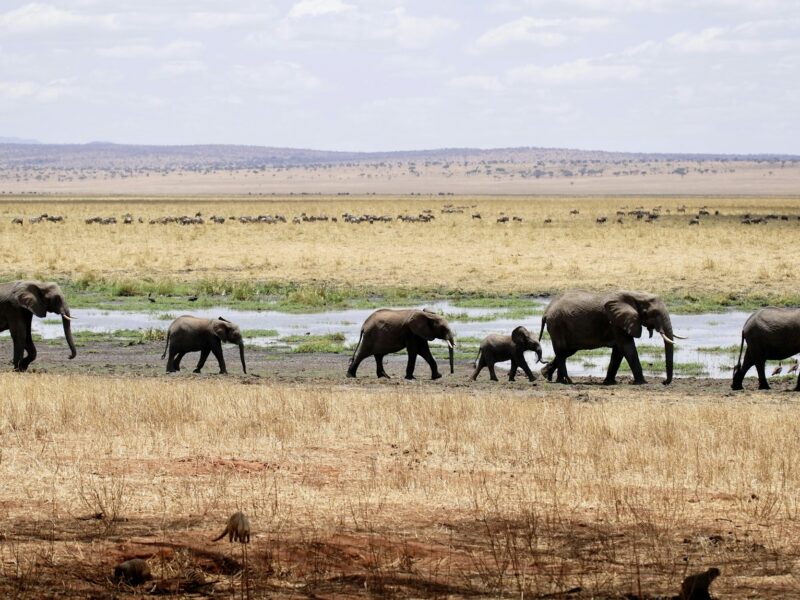
Morning pick-up and a two-hour drive to Tarangire. Spend the afternoon on a game drive along the river, where elephants, giraffes and big herds of zebra and wildebeest come to drink. Look out for lions in the shade and for the park's prolific birdlife. Late afternoon transfer to your lodge near the park or in Mto wa Mbu for dinner.
Overnight: Tarangire / Mto wa Mbu, e.g. Tarangire Safari Lodge · Meals: L, D · Travel: About 2 hours
Day 2: Lake Manyara National Park
Enter Lake Manyara at the foot of the Rift Valley escarpment. The groundwater forest is alive with olive baboons and blue monkeys, while the open floodplain leads to the lake shore with flamingos, pelicans and hippos. The park is known for lions that sometimes rest in trees. After a picnic lunch, drive up the escarpment to Karatu and relax at a lodge surrounded by coffee plantations.
Overnight: Karatu (Ngorongoro highlands), e.g. Ngorongoro Farm House · Meals: B, L, D · Travel: About 1.5 hours in total
Day 3: Ngorongoro Crater and return to Arusha
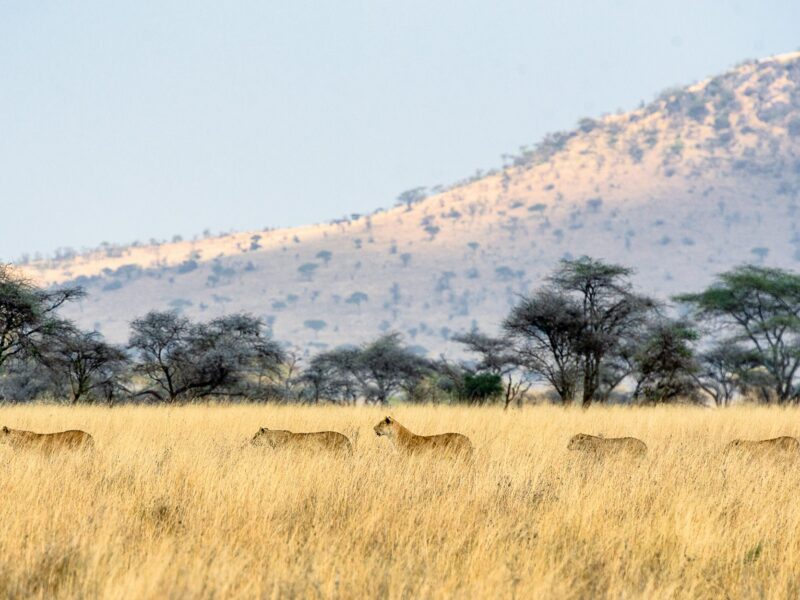
Early breakfast and drive to the crater rim for a first view over the caldera. Descend for a long morning game drive among lions, buffalo, elephants and, with luck, black rhino. Picnic lunch at the hippo pool, then climb out and drive back to Arusha, arriving late afternoon.
Meals: B, L · Travel: About 1 hour to the crater, 3 hours to Arusha
Where you will stay
Every itinerary is available at three comfort levels. Lodges named are examples we use regularly; if one is full on your dates we book a like-for-like alternative in the same area.
| Area | Budget / camping | Mid-range | Luxury |
|---|---|---|---|
| Tarangire / Mto wa Mbu | Public campsite or simple lodge in Mto wa Mbu | Tarangire Safari Lodge | Elewana Tarangire Treetops |
| Karatu (Ngorongoro highlands) | Karatu campsite or simple lodge | Ngorongoro Farm House | Gibb's Farm or The Manor at Ngorongoro |
Why book this private safari with us
- We hold relationships with camps across the northern and southern circuits and check live availability the same day.
- Our own vehicles and guides are based in Arusha, so a private safari can usually start within 24–72 hours.
- If your first-choice lodge is full, we offer a like-for-like alternative in the same area rather than changing your route.
- You receive a written, itemised quote with park fees shown separately, and nothing is charged until you confirm.
Optional extras
- Hot-air ballooning is not available on this route; add a Serengeti night for a balloon option
- Mto wa Mbu cultural walk and lunch
- Maasai boma visit near the crater
What is included
- All transfers and road transport in a private 4×4 Land Cruiser with pop-up roof (shared on group departures)
- Professional, licensed English-speaking driver-guide throughout the safari
- All national park, conservation area and crater service fees listed in the itinerary
- Accommodation as specified for your chosen level (or similar if unavailable)
- Meals as listed in each day (B = breakfast, L = lunch, D = dinner)
- Unlimited bottled drinking water in the vehicle, plus binoculars to share
- Charging points and Wi-Fi in the vehicle where network allows
- Flying Doctors (AMREF) emergency evacuation cover for the duration of the safari
- Airport pick-up and drop-off at Kilimanjaro or Arusha airport
- 24/7 WhatsApp support from our Arusha office
Not included
- International flights and Tanzania visa fees
- Comprehensive travel insurance (required)
- Gratuities for your guide and lodge staff
- Alcoholic and soft drinks at lodges unless stated
- Optional activities such as hot-air balloon safaris, cultural visits or extra nights
- Items of a personal nature (laundry, phone calls, souvenirs)
Good to know
- Expect a mix of tarmac and gravel roads; the vehicle is a 4×4 with pop-up roof.
- Karatu evenings are cool: bring a warm layer.
- A day pack, camera and binoculars are the essentials for each day.
Ready to travel? Request your free, itemised quote for the 3 Days Tarangire, Lake Manyara & Ngorongoro Safari, or browse more Tanzania safari packages.
Three Parks, Your Own Schedule
Three parks in three days sounds busy, but the transfers are short and a private vehicle keeps the pace comfortable. Your guide can linger with Tarangire’s elephants, explore Lake Manyara’s groundwater forest and soda lake, and time the Ngorongoro Crater drive for the best light. It is one of the easiest Tanzania private safari routes to book, even within days, because lodges along it have plenty of capacity.
Ways to personalise it
- Overnights in the green Karatu highlands
- An optional village walk in Mto wa Mbu
- Extra time for baboons and flamingos at Lake Manyara
- Lodges chosen to suit your comfort level
- Pickup timed around a Kilimanjaro descent or a flight arrival
See our Tanzania safari packages or plan your private safari now.
Related reading from our Safari Journal
Further reading
Learn more from independent, authoritative sources: